Drone Licensing & Training
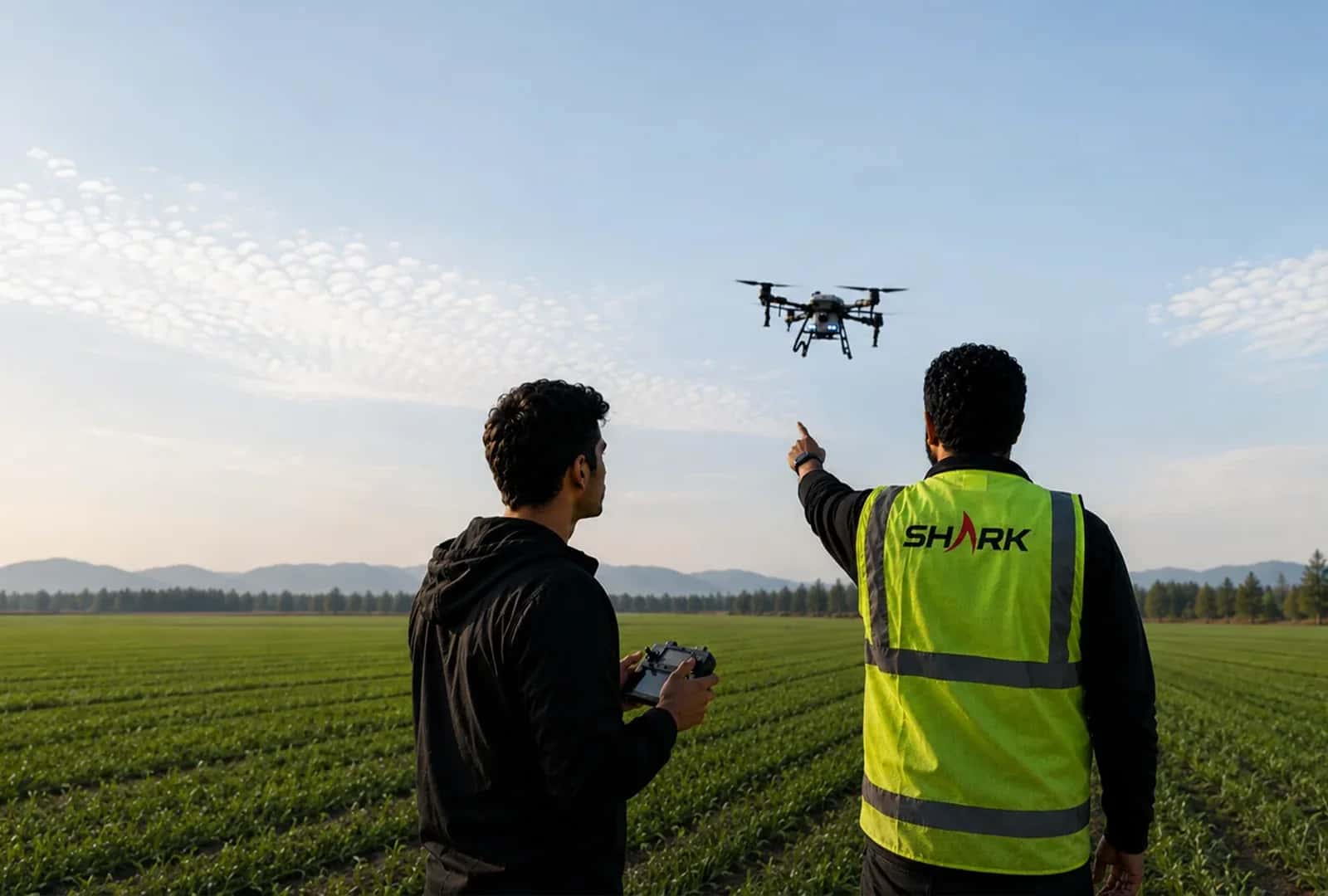
İHA-0–2 pilot training.
Technical service
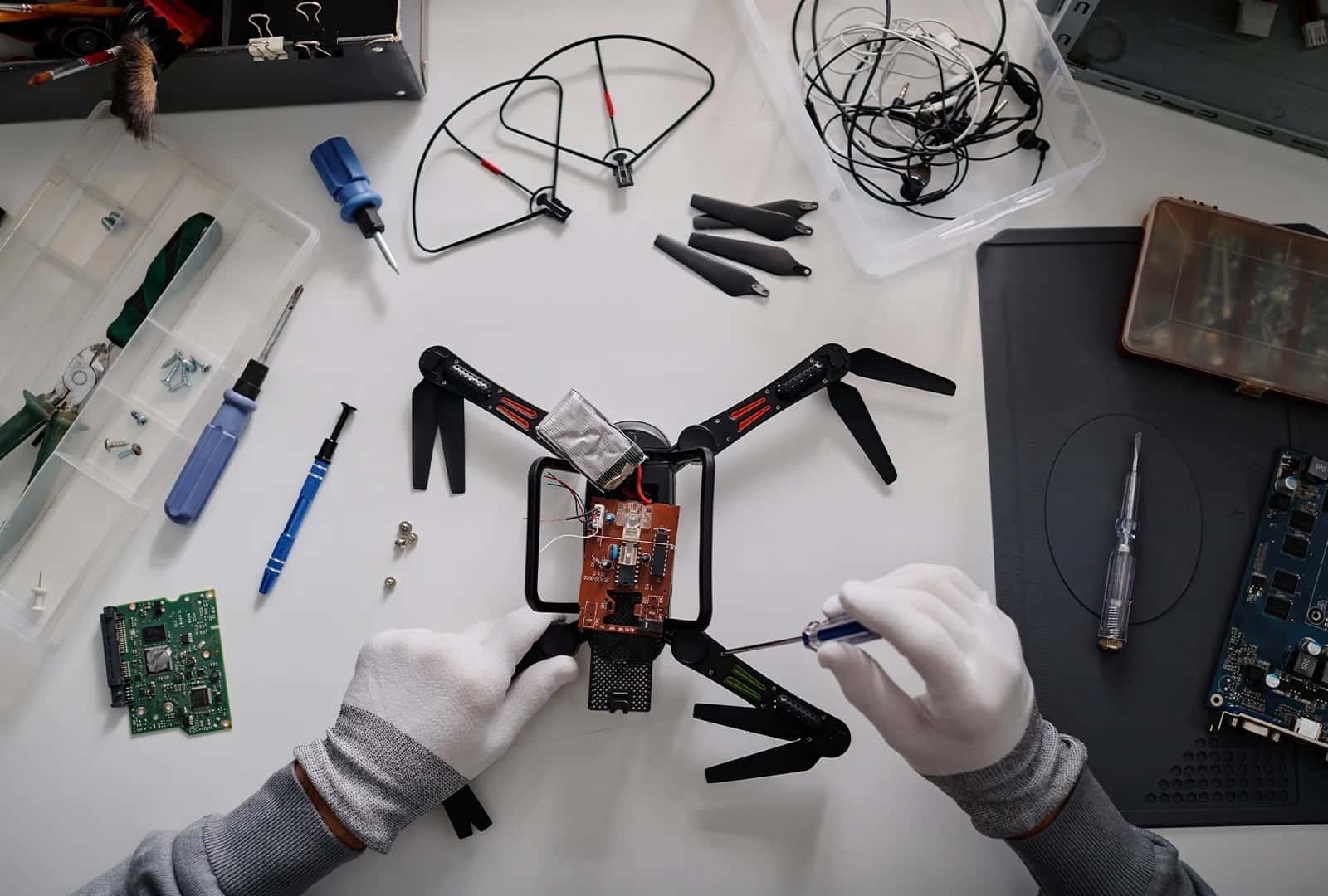
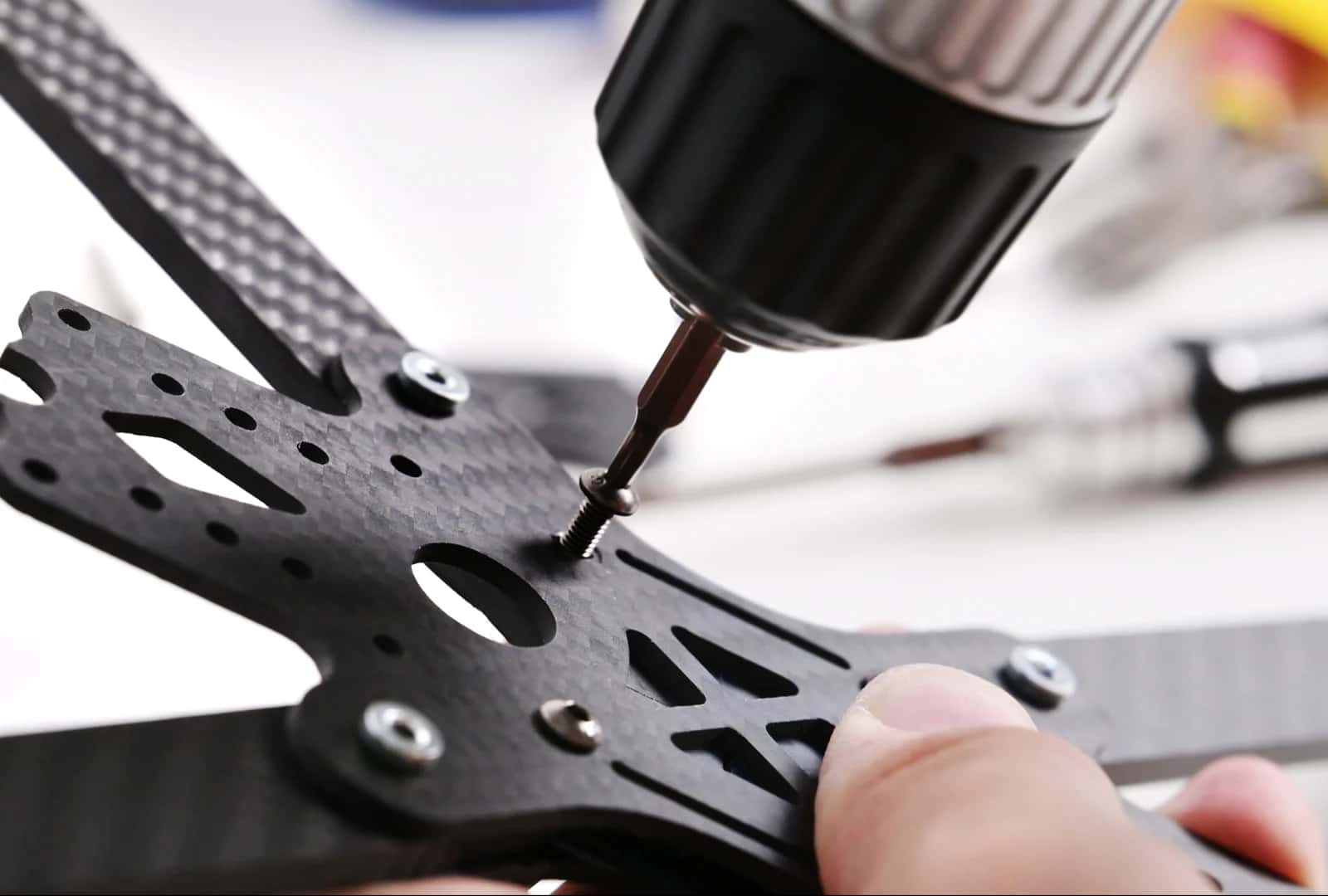
We diagnose, maintain, and repair supported UAV systems, covering electronic, mechanical, and software faults. Component replacement and calibration are included when required.
Support ranges from one-time fault diagnosis to scheduled maintenance for compatible platforms.
Professional drone operators
Agricultural UAV users
Fleet operators
Institutions
We work on UAV hardware, flight electronics, agricultural drone systems, and related subsystems. Service coverage depends on the platform and the fault identified.
Airframe, mechanical structure, and moving parts
Flight electronics and connection systems
Flight control and sensor systems
Agricultural UAV and spraying-system components (on supported platforms)
Power, propulsion, and software-related subsystems
The work required depends on the platform and the type of fault.
01
We trace hardware, electronic, mechanical, and software faults to their source, then recommend repair or component replacement.
02
We check for wear, loose connections, and damaged parts. The maintenance scope is based on the platform and its operating conditions.
03
Where required, flight-controller settings, sensors, and related onboard electronics are checked and calibrated.
04
Motors, ESCs, and power-system components are checked for relevant faults. Scope depends on the platform and the issue identified.
05
Firmware, configuration, and software issues are included in diagnostics for compatible platforms. Coverage varies by platform and software version.
06
Supported platforms can be maintained and repaired after their warranty expires. Other makes and models are assessed individually.
The exact work varies, but most service requests follow these steps.
1
The aircraft and reported problem are recorded and initially assessed.
2
Relevant mechanical, electronic, and software systems are checked to identify the source of the problem.
3
We explain the fault and the recommended work. Repairs begin after customer approval.
4
Approved maintenance, repair, or part replacement is carried out.
5
Relevant systems are checked after service. Where appropriate, calibration or functional checks may be performed.
6
The UAV is prepared for return, with a summary of the work completed.
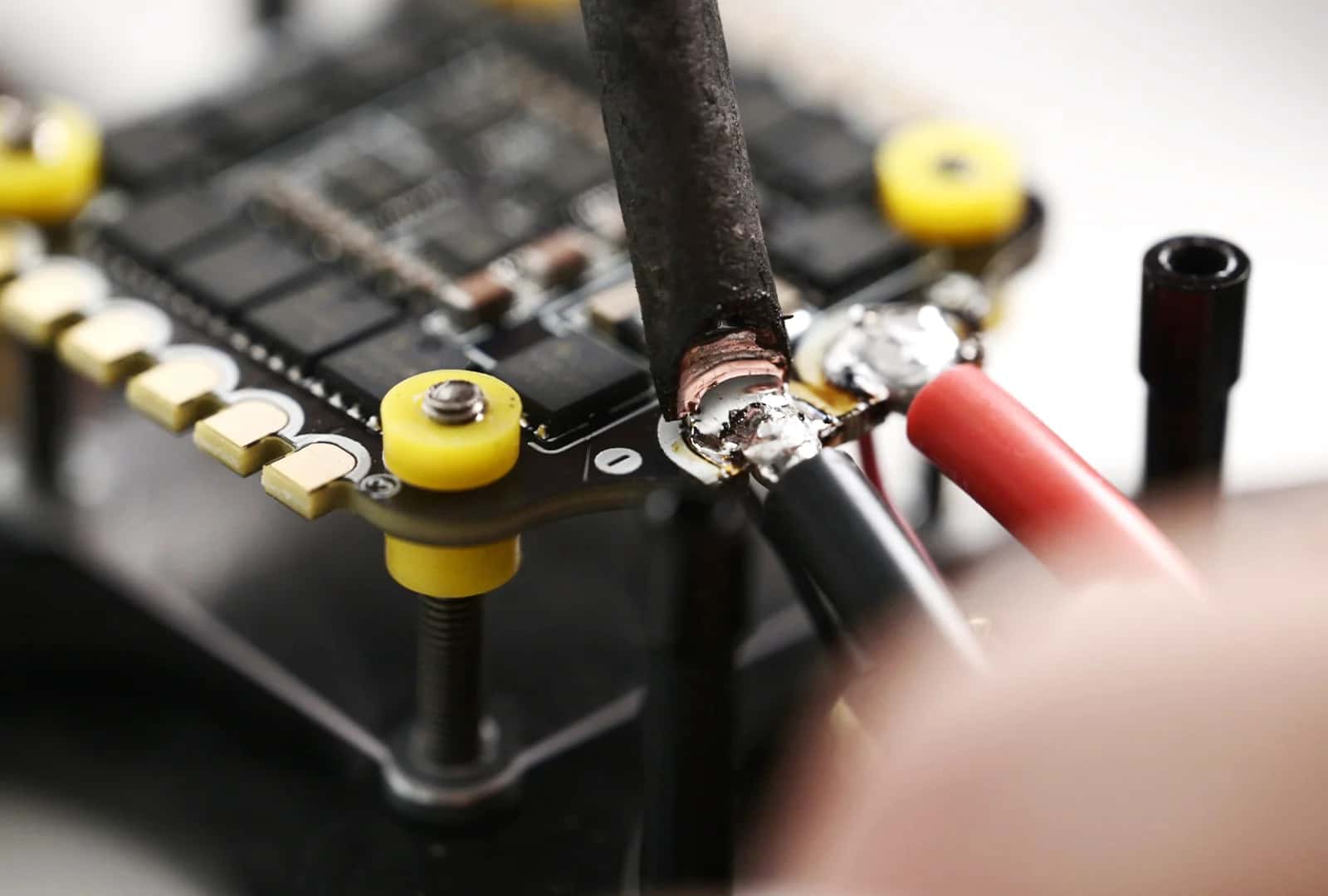
Professional UAVs face heavy use, vibration, and demanding field conditions. Regular maintenance helps catch small issues before they lead to larger faults.
Early intervention can reduce the risk of unexpected failures
Contact
Tell us the drone model and briefly describe the problem. You do not need to provide a serial number or technical log files for the initial assessment.
Continue exploring